
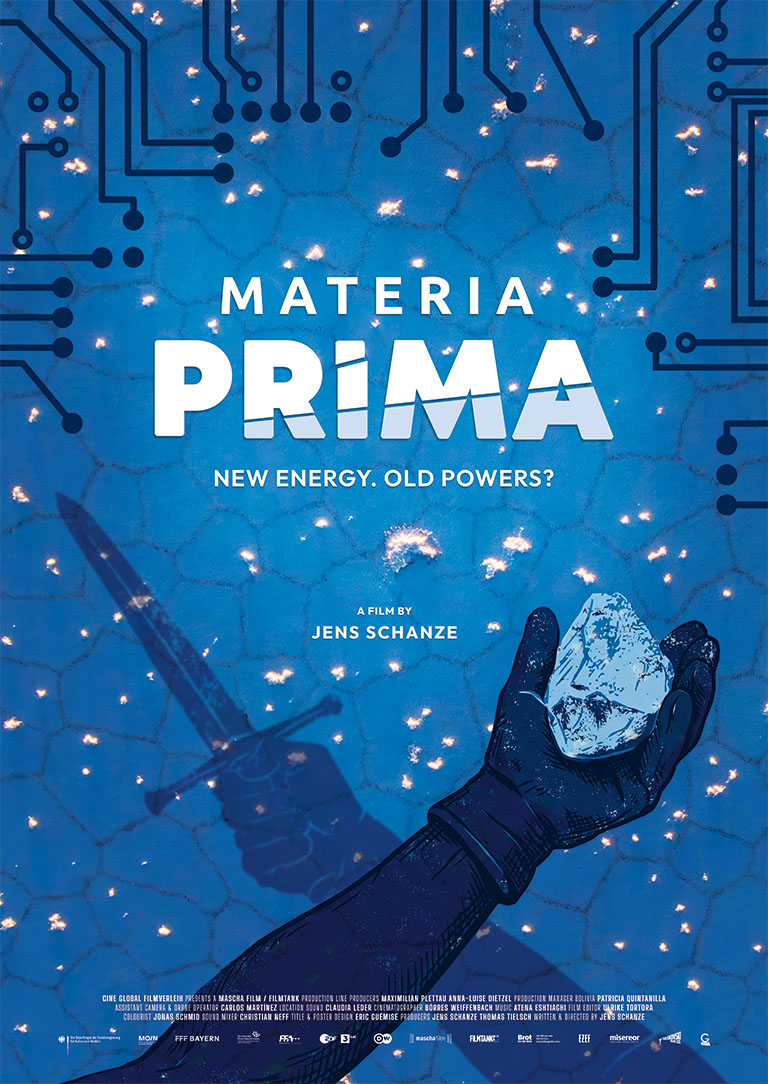
 A FILM BY JENS SCHANZE
Every raw material is the beginning of a story.
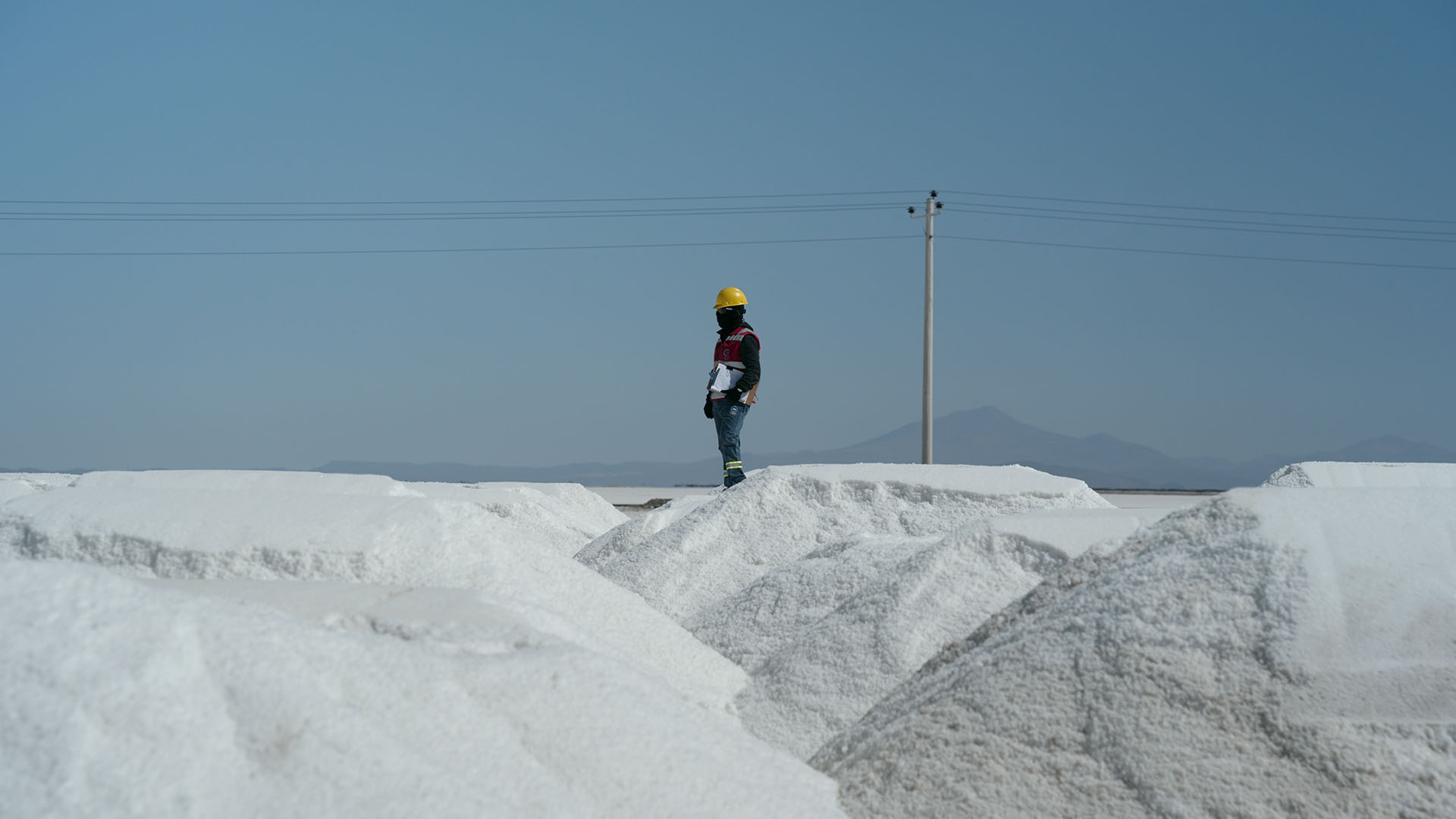
Bolivia has the world's largest deposits of lithium, a metal that is essential for the energy transition. Without lithium, no electricity storage facility, no data centre, no electric car, no smartphone would work.
The Europeans want the raw material to save their automotive industry. The Bolivians want it to combat poverty.
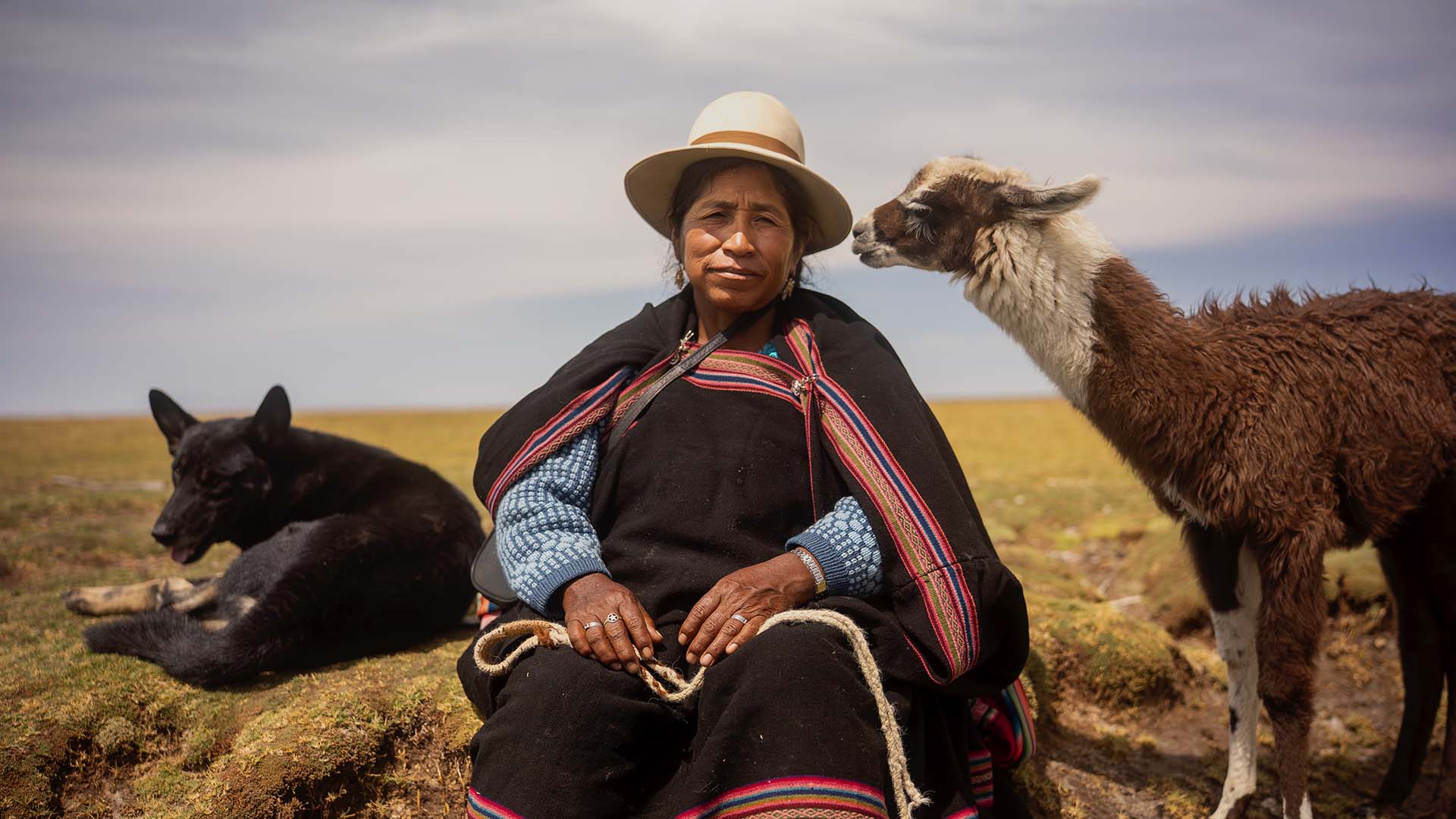
While the Bolivian government negotiates with corporations from around the world, civil society groups are mobilising in rural areas, organised mainly by women.
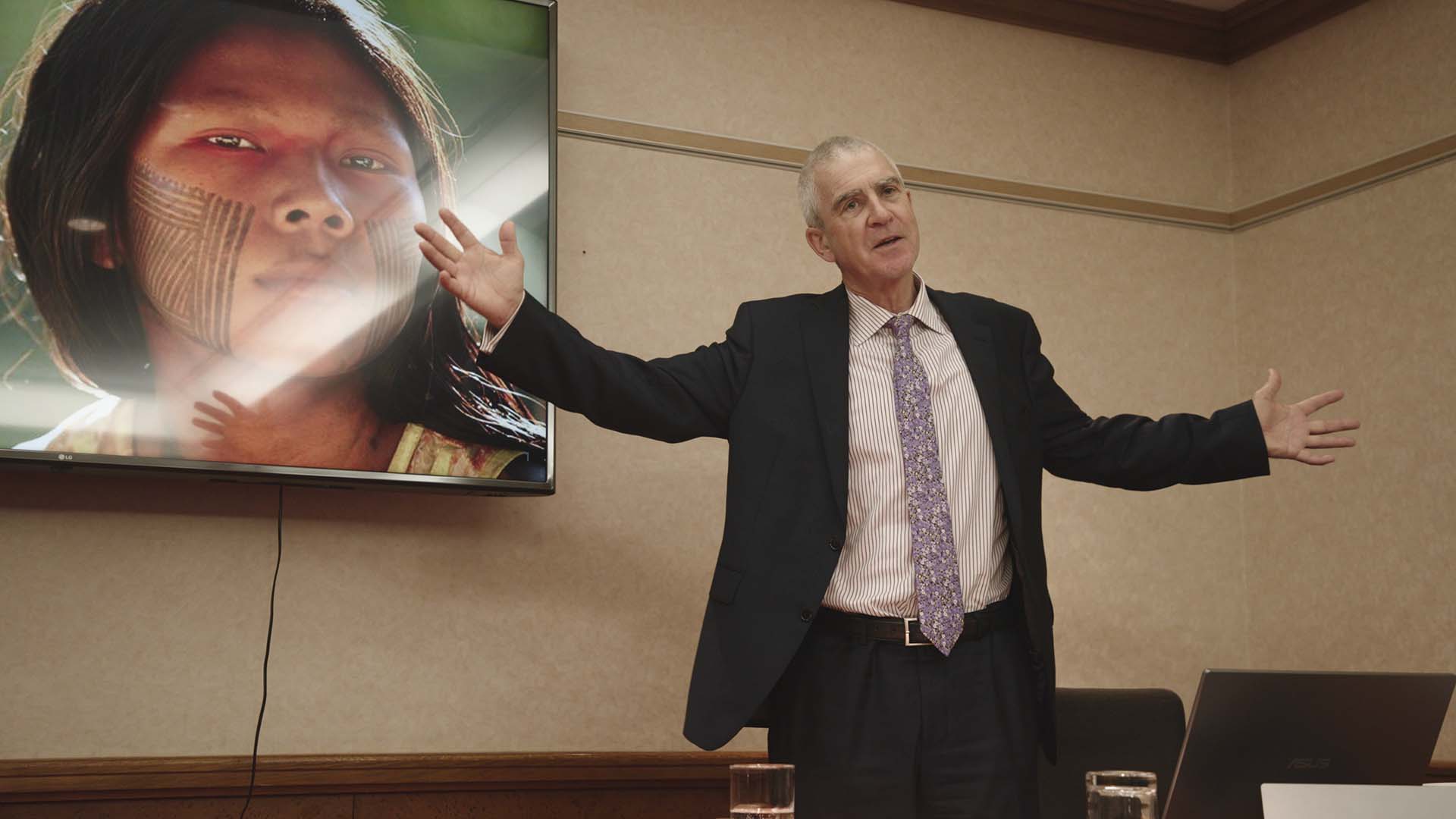
The film offers a rare insight into the Europeans' strategy to secure the sought-after material and carves out the conflicting interests towards extractivism and industrialisation in Bolivia.
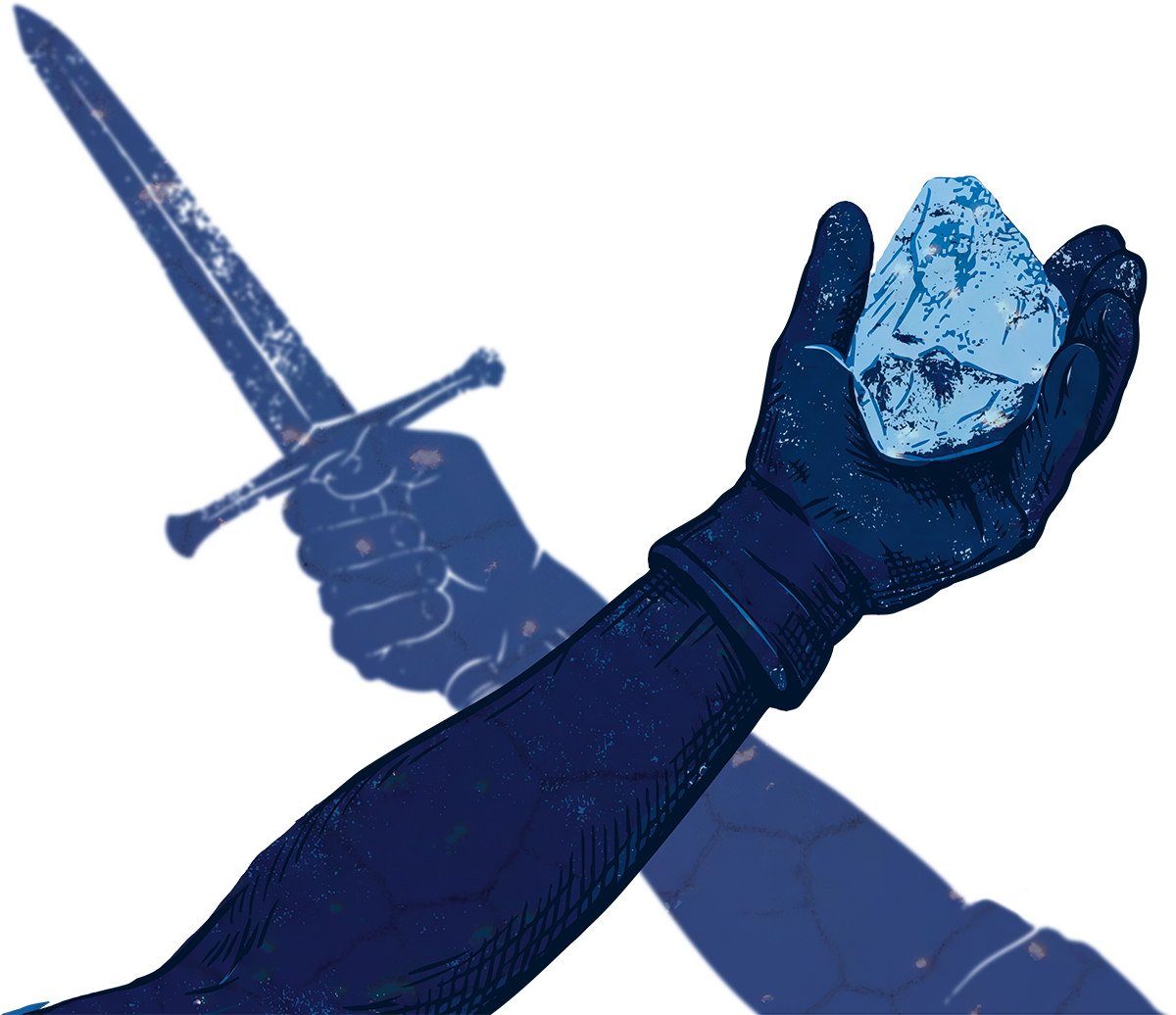
The present is haunted by 500 years of colonial history, which is given voice through a 16th-century chronicle that puts today's world into perspective and provokes the question:
Are we ready for decolonisation?
„Bolivia will be the Saudi Arabia of Latin America.“ – Evo Morales, former president of Bolivia
Silver, tin, zinc, lead, copper, natural gas – Bolivia had it all. But the mines are exhausted and the infrastructure is crumbling. Will the demand for lithium in the industrialised part of the world save the country or cause new destruction?
„If Bolivia’s salt flats open and we’re not there, we’ll be first-class idiots.“ – Félix Fernández-Shaw, EU Director for Latin America
Europe needs to reduce its dependence on raw materials. Bolivia wants to create industrial value, not just exploit its natural resources.
„You eat this gold? asked the Inca.We eat this gold, replied the bearded man.“
The historical texts in the film reflect the past within the present. They are based on the chronicle by the Inca Guaman Póma de Ayala, written between 1580 and 1613. It is the only known source from the colonial era that describes the events of that time from the indigenous perspective. The book is held at the Royal Danish Library.